
Technical FAQ
Is it real stone?
Reading stone veneer marketing.
Manufactured stone is concrete. The marketing around it rarely leads with that word.
If the ingredient list starts with Portland cement, it is concrete, not quarried stone. Everything else on the label is worth reading with that in mind.
Manufactured stone is a legitimate product with real advantages. But the copy used to sell it leans on words like natural, real and handcrafted in ways that make it hard to tell what you are buying. Here is what those phrases mean, set next to the manufacturers’ own descriptions of the product.
What manufactured stone is made of
Its industry standard, ASTM C1670, describes a mix of cement, aggregates, water, admixtures and pigments, wet-cast into shapes that simulate natural stone. The leading brands publish the same list: Portland cement, lightweight aggregate and iron-oxide pigment. The mix is poured into molds and cured; the color comes from pigment in the mix or applied to the face.
The phrases, and what they mean
“Every product hand-crafted by artisans.”
A national manufacturer’s architectural catalog
The hand work is real. Elsewhere the same manufacturer describes the process as “artists hand painting each individual stone.” The artistry is in coloring cast concrete.
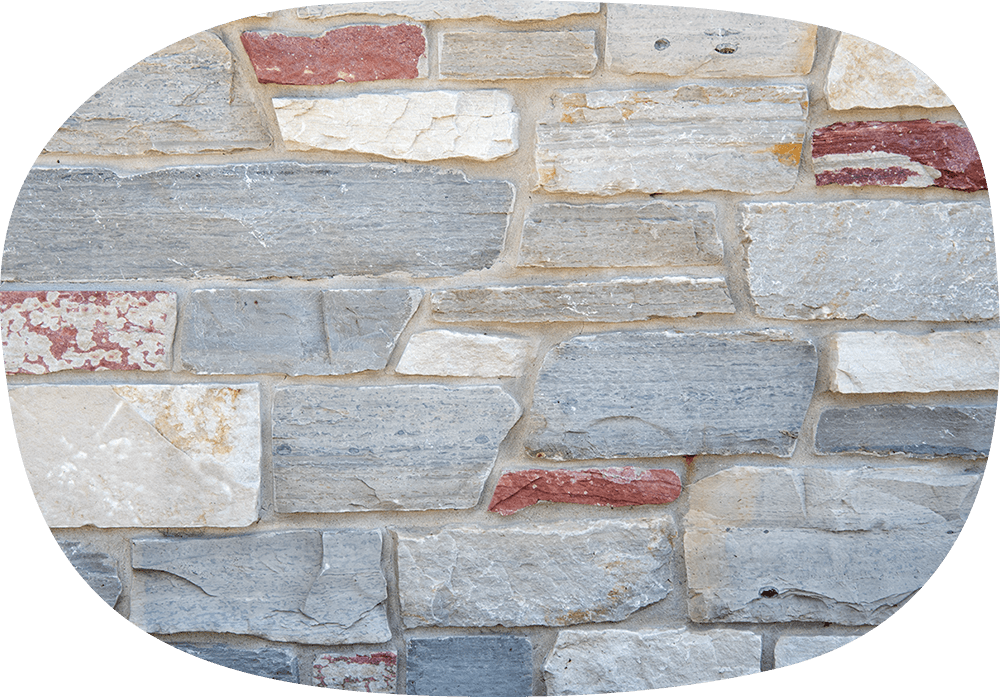
“Craftspeople build molds from genuine stones handpicked from the earth.”
A national building-products company
This is where “cast from real stone” comes from. A real stone serves as the pattern for a mold, and concrete is poured into the mold. The stone in the phrase is the model; the product is the casting.
“Handcrafted with uncompromising craftsmanship using natural materials.”
A regional manufacturer’s company profile
Concrete is made from natural materials — cement and aggregate start as mined rock, sand and clay. The phrase is accurate, and it says nothing about whether the finished piece is stone. A leading national brand’s ingredient list makes the same move: “lightweight natural aggregates.”
“So authentic looking, you’d swear they were quarried naturally.”
A Midwest manufacturer’s product page
Resemblance is the goal of the product, and some of it is very good. One national brand concedes that “even a trained eye can find it hard to determine the difference” without close inspection. That tells you where to look.
“Architectural stone veneer.”
Common across the category
“Stone veneer” is used for natural and manufactured products alike, and “architectural” is not a material. The words that tell you it is cast are manufactured, cultured, cast, faux, adhered concrete masonry, or a reference to ASTM C1670.
“More durable and requires less maintenance than similar products.”
One manufacturer’s installation sheet
Similar to what, and tested how? A durability claim should come with a test standard and a number. To that company’s credit, it describes its product plainly as a manufactured veneer — which is exactly what a buyer needs to see.
How to tell in person
- Read the ingredient list. Portland cement means concrete.
- Check the standard. Manufactured stone is specified under ASTM C1670. Natural stone is tested as dimension stone, under standards such as ASTM C97 and C170.
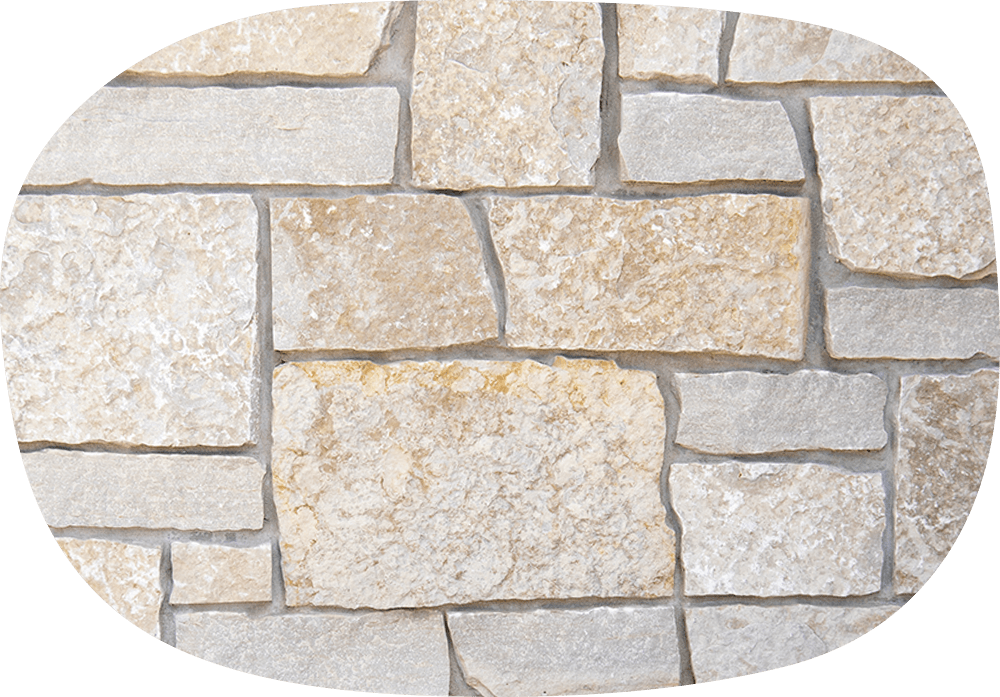
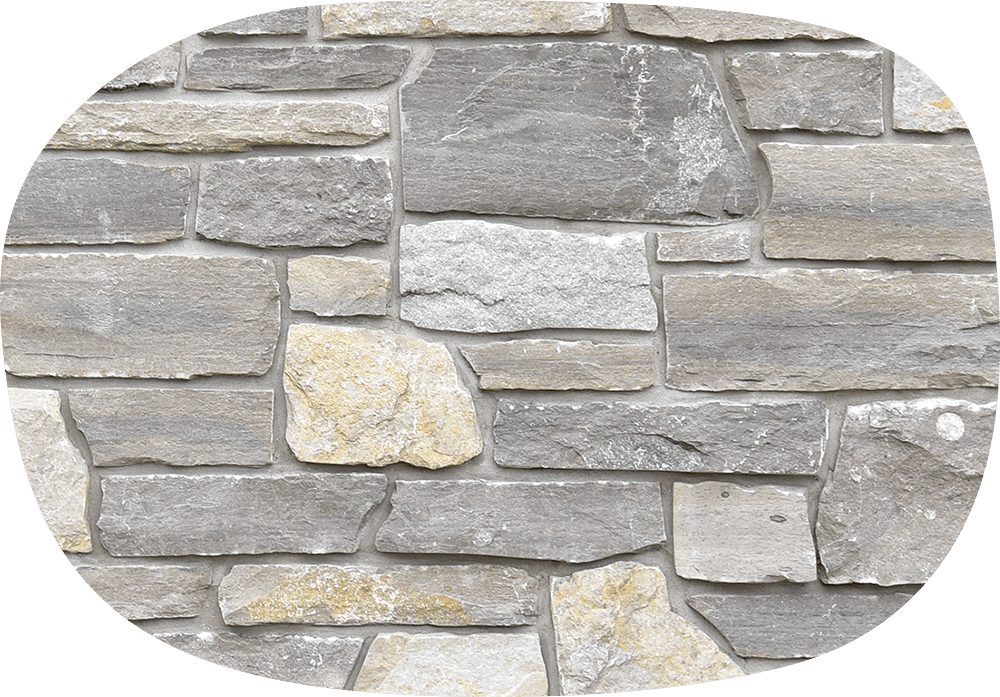
- Look at a cut or broken edge. Natural stone is the same material all the way through. On manufactured stone, color is often concentrated at the face, and an edge can show the concrete underneath.
- Look at the back. Natural thin veneer is sawn from the rock, so the back is cut stone. Manufactured stone’s back is cast concrete.
- Step back from a large wall. Molds repeat. Look for the same face twice.
- Don’t rely on weight. Both are made light enough to adhere to a wall, so heft in the hand is not a reliable test.
Fair is fair
Manufactured stone is often lighter, it costs less installed — one leading brand puts it at a third to half the cost of natural stone — and its color is more consistent from box to box. For some projects that is the right trade. This page makes one argument only: you should know which of the two you are buying, and the marketing does not always make that easy.
The next step
Judge it up close
and decide for yourself.
The difference is easiest to see in person. Contact us for more information on any blend.